Chapter 14
Biblical Sources of the First Amendment
Chapter Summary
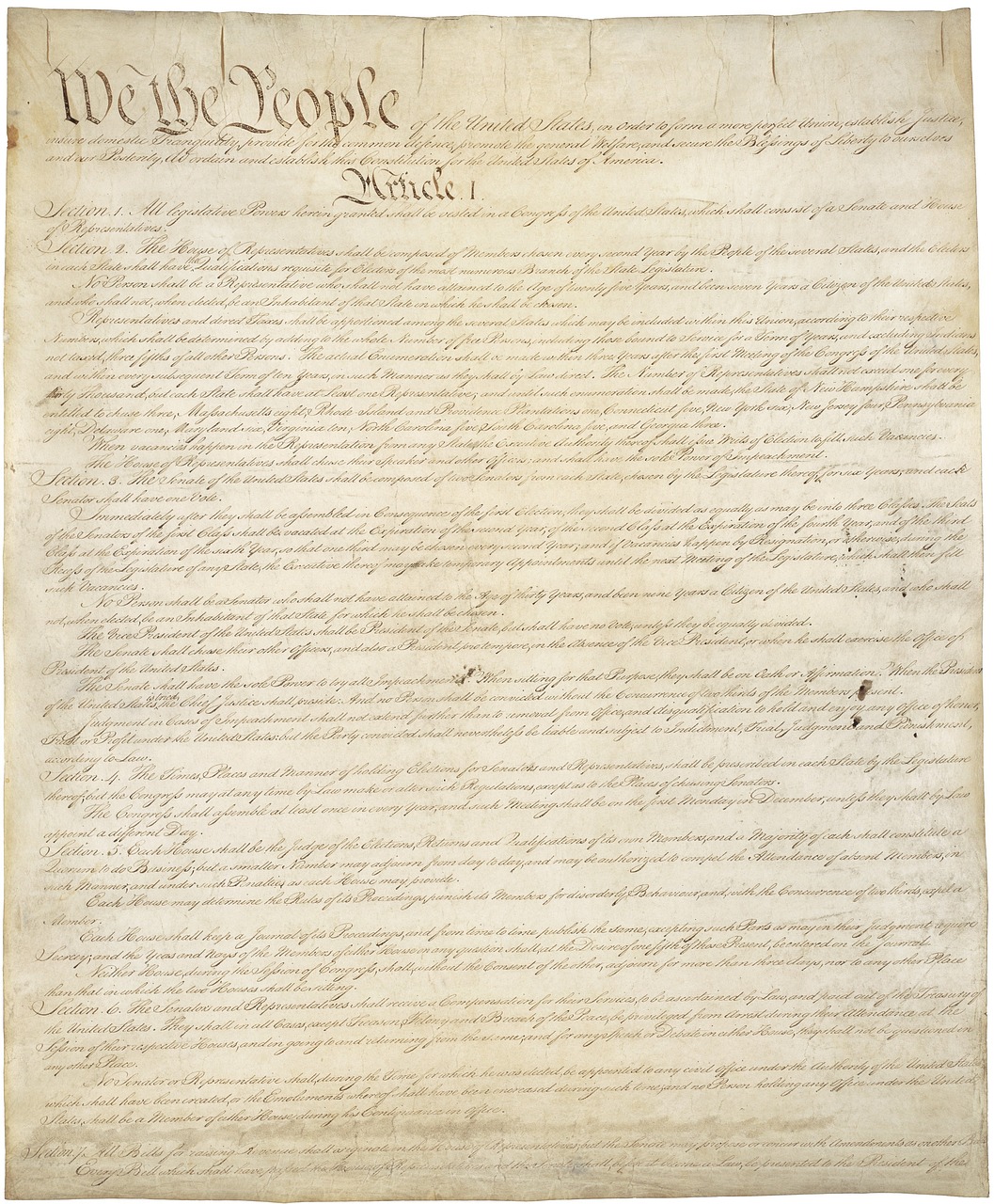
The First Amendment to the US Constitution ensures freedom of religion, speech, press, assembly, and petition. Its principles have deep roots in biblical teachings. This chapter examines how Christian leaders like Roger Williams fought for religious liberty based on New Testament principles.
The author explores how early American colonists initially established state churches, following European tradition. However, some Christians challenged this practice, arguing that true faith cannot be enforced by government. They found support in Jesus's teachings about loving God "with all your heart" and Paul's emphasis on serving "one another humbly in love" - actions that must come willingly from the heart.
Roger Williams, founder of Rhode Island, became a key figure in establishing religious freedom. After being banished from Massachusetts Bay Colony for opposing state control of religion, he created a colony where people could worship according to their conscience. This "Rhode Island solution" later influenced the First Amendment, marking a revolutionary departure in how societies structure religious liberty.
Discussion Points
- How do biblical teachings about authentic faith challenge the idea of government-enforced religion?
- What can we learn from Roger Williams's approach to religious liberty and conscience?
- How does the concept of "liberty of conscience" protect both believers and non-believers?
- Why did some colonial leaders view religious freedom as dangerous to social order?
- What role should faith play in public life while respecting religious diversity?
- How do Jesus's teachings about heartfelt obedience relate to religious freedom?
- What are the dangers of merging religious authority with political power?
- How has Christianity flourished under religious freedom compared to state-enforced religion?
- What lessons does this history offer for contemporary debates about faith and government?
Join the Discussion